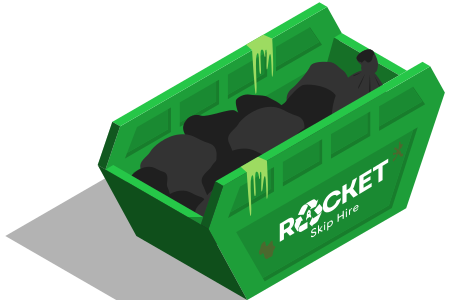
2yd Skip
Perfect for small clearouts, garden waste and light domestic rubbish.
Holds approx. 20 bin bags
Skip sizes
Browse compact domestic skips, builders skips and roll-on roll-off containers in one place before choosing the best fit for your waste volume.
All options
Perfect for small clearouts, garden waste and light domestic rubbish.
Ideal for household waste, room clearances and small renovations.
Great for larger projects, bulky items and mixed refurbishment waste.
Best for construction waste, heavier disposals and bigger site jobs.
Extra room for bigger clearances, bulky waste and larger renovations.
High-capacity skip hire for larger domestic and trade waste jobs.
Large skip option for sustained clearances and bigger project volumes.
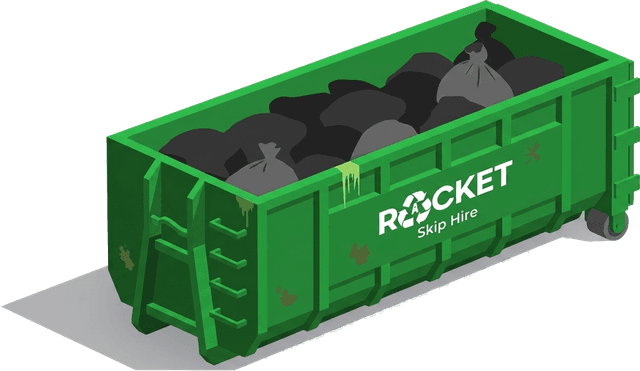
Roll-on roll-off container for commercial waste and site clearances.
Bulk waste container for major projects and high-volume site work.
Maximum capacity roll-on roll-off option for demanding waste volumes.
A 2 or 4 yard skip suits small clear-outs, garden tidies and bathroom refits. A 6 or 8 yard skip is the usual choice for kitchen replacements, house clearances and mixed building waste. For larger clearances and bulky waste, 10, 12 and 16 yard skips give you more room, while 20, 35 and 40 yard roll on roll off containers are designed for commercial sites and high-volume projects. Remember that heavy waste such as soil and rubble fills a skip by weight long before it reaches the top, so a smaller skip is often the better option for those materials. If you would like a second opinion, tell us about the job and we will recommend a size.
Good to know
The price of a skip depends mainly on its size, the type of waste going into it, where it is being delivered and how long you need it. Heavy materials such as soil, bricks and concrete cost more to process than light mixed rubbish, and a skip on the road needs a council permit that a skip on a driveway usually does not. Giving us accurate details at the start means your quote reflects the job and helps avoid changes later.
Most everyday household and building waste can go in a skip. That includes furniture, carpets, wood, garden cuttings, packaging, plastics, metals, bricks, tiles, rubble and plasterboard, although some materials may need to be kept apart so they can be recycled properly. If you are clearing a mixture of waste, tell us what is in it when you book and we will suggest the most practical way to handle it.
Some items are not allowed in a standard skip because they are hazardous or need specialist treatment. These include asbestos, paint, solvents, oils, chemicals, batteries, gas cylinders, tyres, fridges, freezers, televisions and other electrical equipment. Mixing these items with general waste can stop a skip from being collected, so please check with us first if you are unsure about anything you plan to throw away.
Place heavy items at the bottom of the skip and spread the weight evenly, then fill the gaps with lighter waste. Break down furniture and flatten boxes so that you make the best use of the space. Keep everything level with the top edge, because an overfilled skip cannot be moved safely or legally. Avoid climbing on the skip while loading, and keep children and pets away from the area.
Before the skip arrives, choose a flat, firm spot that a delivery lorry can reach easily, and check there are no low branches, overhead cables or parked cars in the way. If the skip is going on a road, the permit needs to be in place first, and the skip may need lights or cones. Let us know about narrow access, gates or soft ground when you book so that we can plan the delivery.
If a skip has to sit on a public road or pavement, you will need a permit from the local council before it is delivered. A skip on your own driveway or private land does not usually need one. Fees, time limits and rules on lights and cones vary from one council to another, so tell us where the skip will go when you book and allow a few working days for the permit to be arranged.
The hire period is agreed when you book, and it can usually be adjusted if your project takes longer than planned. Contact us before the end of your hire if you need more time, and we will confirm what is possible. When the skip is full, or the job is done, just let us know and we will arrange a collection time that works for you.
After collection, waste is taken to licensed facilities where it is sorted into materials such as wood, metal, rubble and card. As much as possible is recycled or reused, which reduces the amount sent to landfill. Keeping different types of waste separate where you can, and being clear about what is in the skip, makes that recycling easier.
Homeowners usually hire a skip for a single project, such as a clear-out, a garden makeover or a refit, while builders and businesses may need regular collections across several jobs. Both are welcome, and trade customers with ongoing waste requirements can apply for a trade account. Whichever you need, our team can talk you through the sizes, timing and options that suit the work.